Case Study: Digitalisation of maintenance in MZGOK Konin with the AMAGE system

This document presents the AMAGE solutions implemented at the Municipal Waste Management Company (MZGOK) in Konin. The AMAGE system was implemented in 2024.
About the client – MZGOK Konin
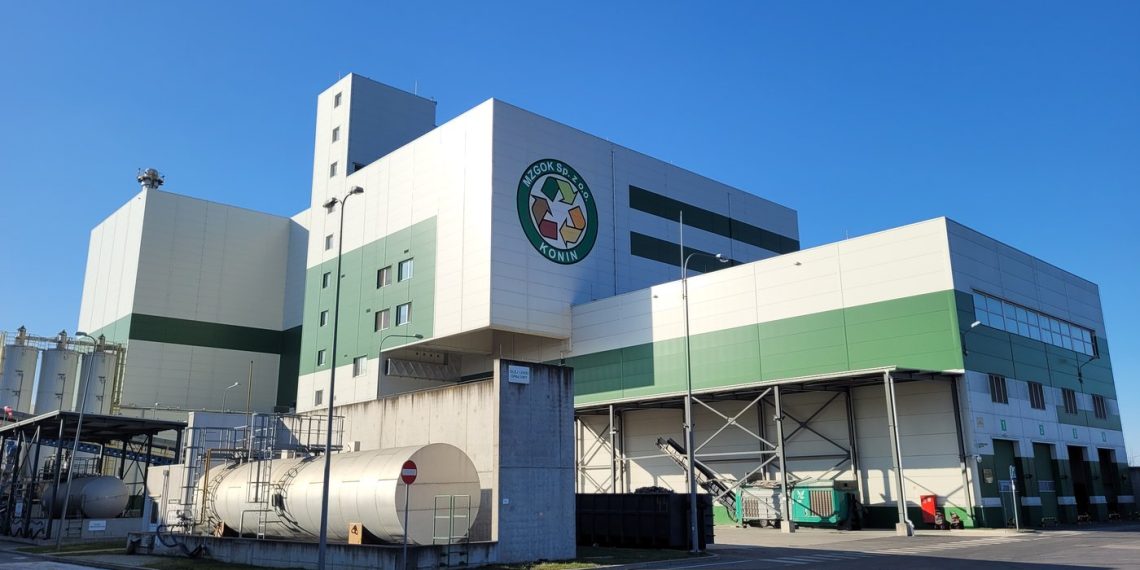
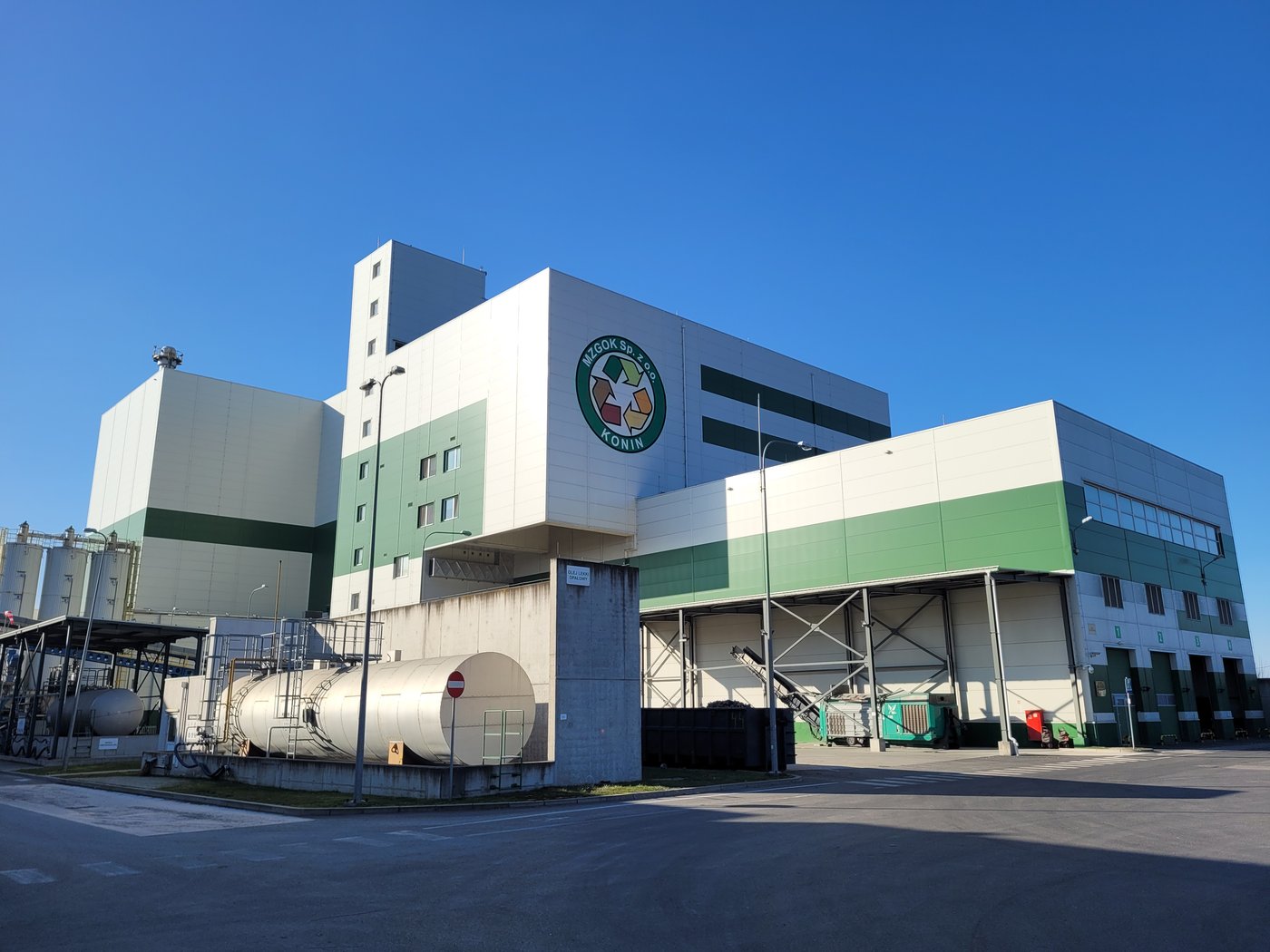
The Municipal Waste Management Company (MZGOK) in Konin is a modern waste thermal treatment facility serving 36 municipalities and processing 94 thousand tonnes of waste per year. The plant plays a key role in the local district heating system, supplying on average 120,000 GJ of heat energy annually to MPEC Konin, as well as 47 GWh of electricity. Thanks to advanced flue gas cleaning technologies, the facility is safe for the environment and serves as a model for other plants.
The challenge
Before implementing the AMAGE system, MZGOK in Konin used the API Pro software. The client was looking for a new solution that would enable effective management of service tickets and the execution of technical rounds in a simple and transparent way. A straightforward implementation was essential, but so was preserving as much information and history of completed activities from the previous software as possible. The client also wanted the implementation to include a verification and correction process for the plant’s equipment/asset structure, so that the new system would contain only meaningful data — without duplicates and enriched with additional information the plant held in other data sources.
Scope of the implementation
The implementation covered service tickets and technical rounds. To ensure continuity of information, it was decided to import data from the previous system, convert, clean and enrich it, in order to achieve the best possible data quality while ensuring completeness of information.
SaaS model
The AMAGE system was launched in the Software as a Service (SaaS) model, which ensured flexibility, access to the system from anywhere and no need to maintain local IT infrastructure. As a result, the client can use the full functionality without investing in servers or local system administration. At the same time, the deployment model allows complete isolation of information and data within a virtual, dedicated infrastructure reserved for this client only. Another advantage was a quick system start-up, leveraging AMAGE Systems’ knowledge in configuring data for this type of implementation.
Data migration from API Pro
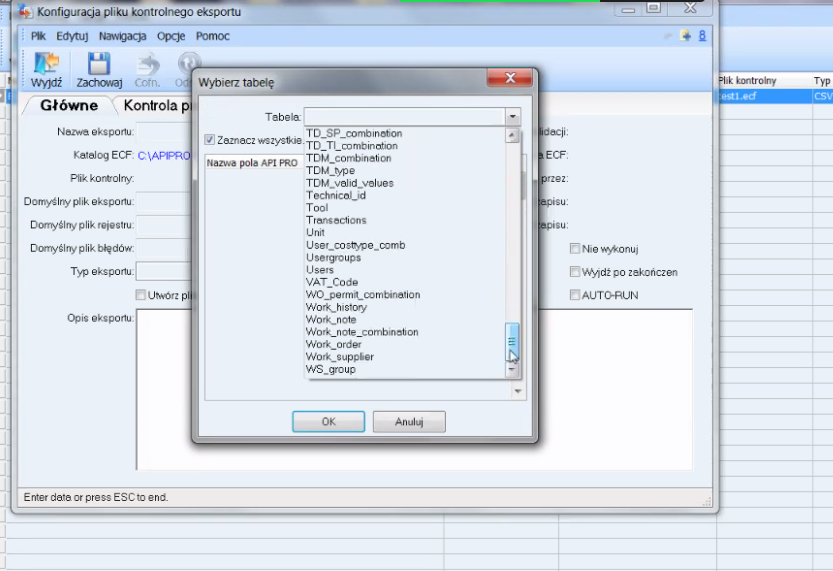
The implementation started with data migration from the API Pro system. The migration covered the history of service tickets, task execution data and all other information necessary to preserve work continuity and service history. The AMAGE team prepared a dedicated import process that ensured high quality of the migrated data. The data was exported from the API Pro system as raw data from the database server.
Import of equipment and location structure
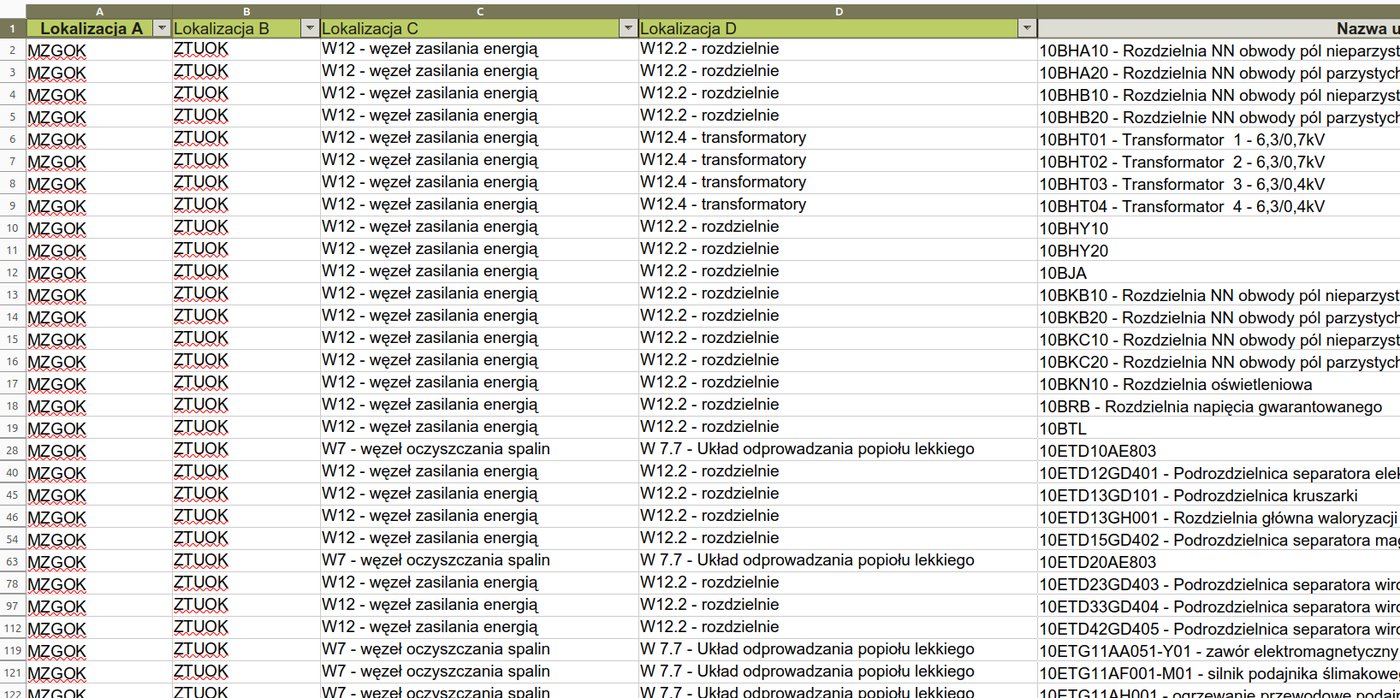
The next step was to use the dedicated AMAGE import tools, which made it possible to load the complete structure of equipment, locations and the functional division of systems. Before the import, together with the client’s employees, the completeness of the data was verified and it was enriched with data from other technological areas, so as to obtain complete technical information about the plant’s infrastructure. The definable import in the AMAGE system loaded the data into the structure and also created historical entries regarding previously performed service work. This allowed users to start working in the system with a reflected, real plant structure, without manually entering data.
Service tickets module
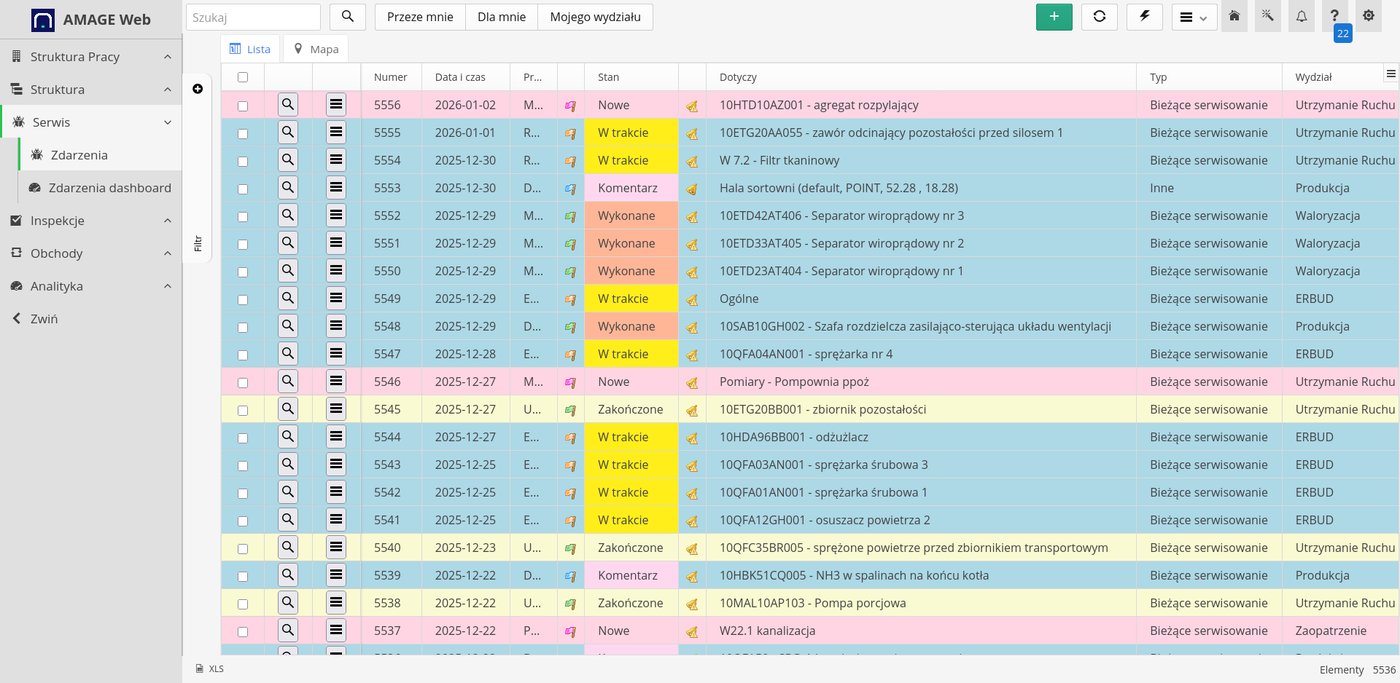
The AMAGE service tickets module was implemented with full support for the ticket life cycle — from registration, through qualification and execution of works, to closure. The system enables activities to be performed both by the plant’s employees and by external service companies. Appropriate permission sets allow tickets to be shared according to the required access level — all in accordance with the client’s internal processes.
Technical rounds with offline support
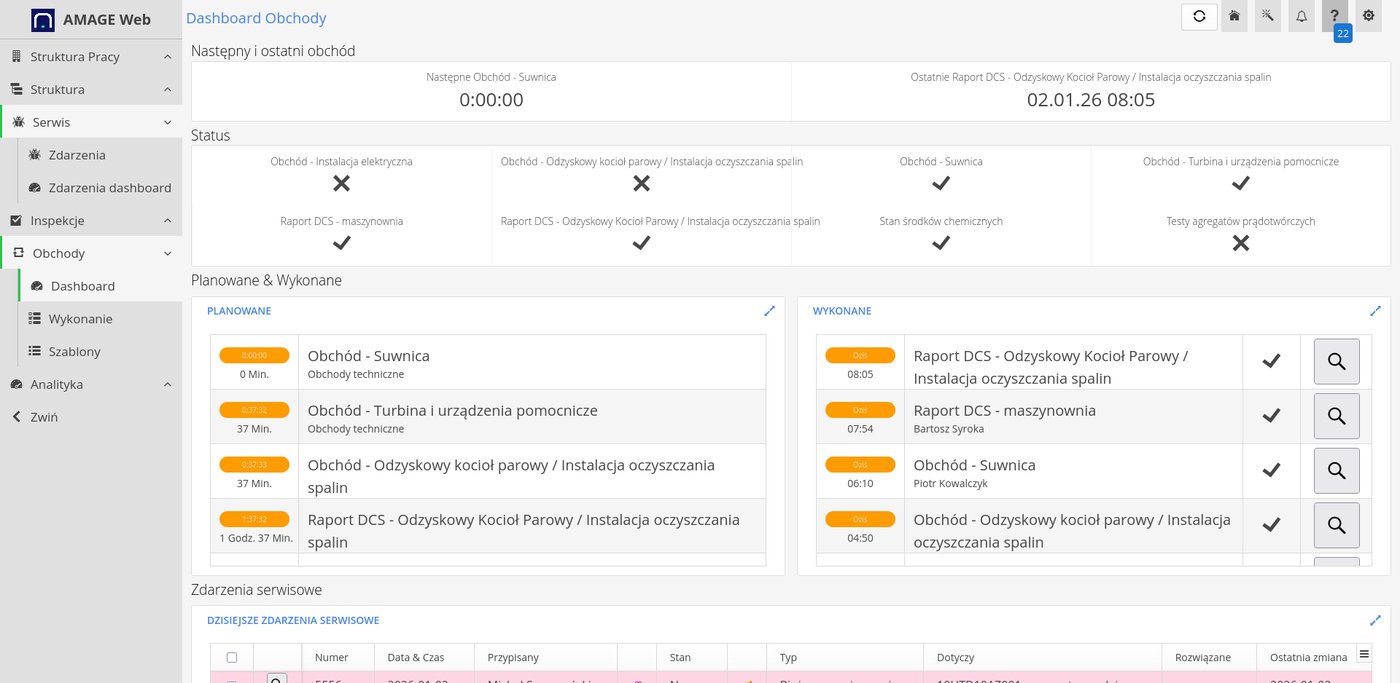
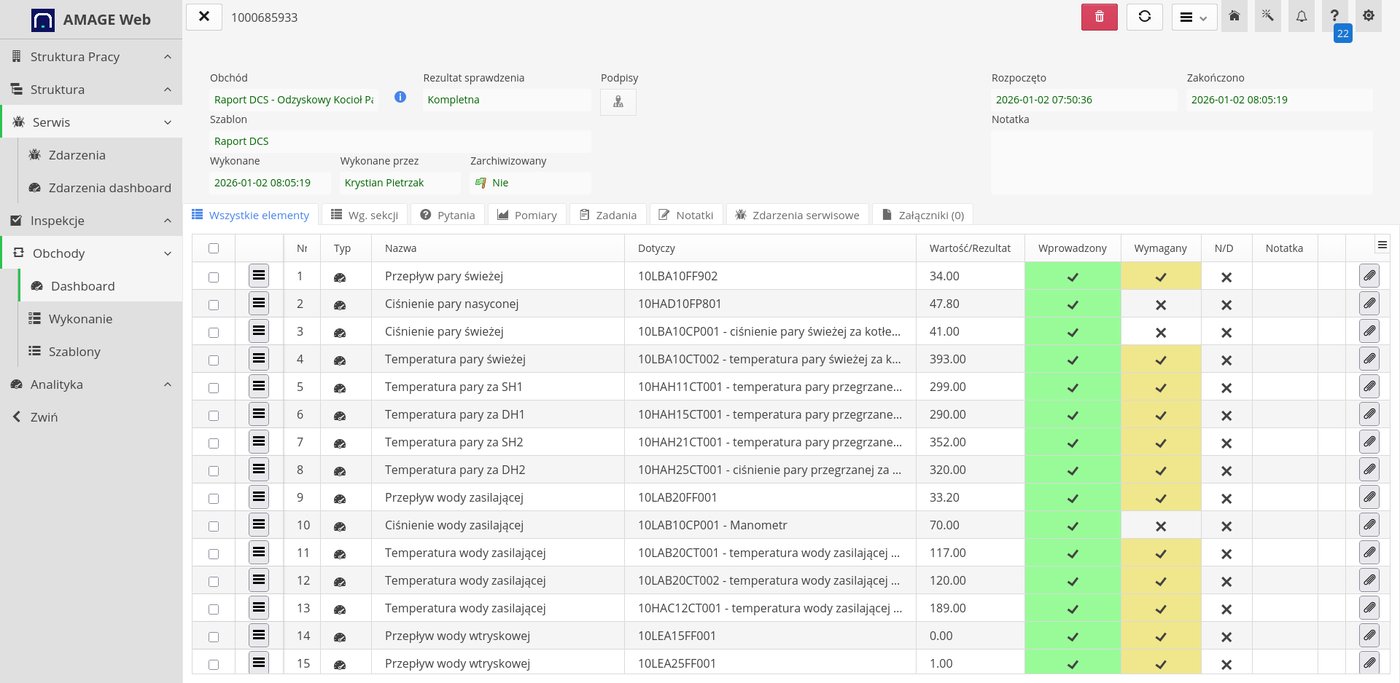
The technical rounds module was also implemented. In the AMAGE system this module enables planned rounds and inspections to be carried out from mobile devices, even without network access. Features such as checklists, parameter registration, automatic alerts, a round execution dashboard and data quality analysis increase the reliability of technical supervision.
Round execution is performed in offline mode. Mobile devices work without access to the IT network, in round data registration mode. After the round technician returns to the dispatch office, the data is automatically synchronised to the central system once the device is connected to power. This ensures continuous operation without the need for IT infrastructure (Wi-Fi/GSM) in every location of the plant.
Mobile devices and Bluetooth beacons
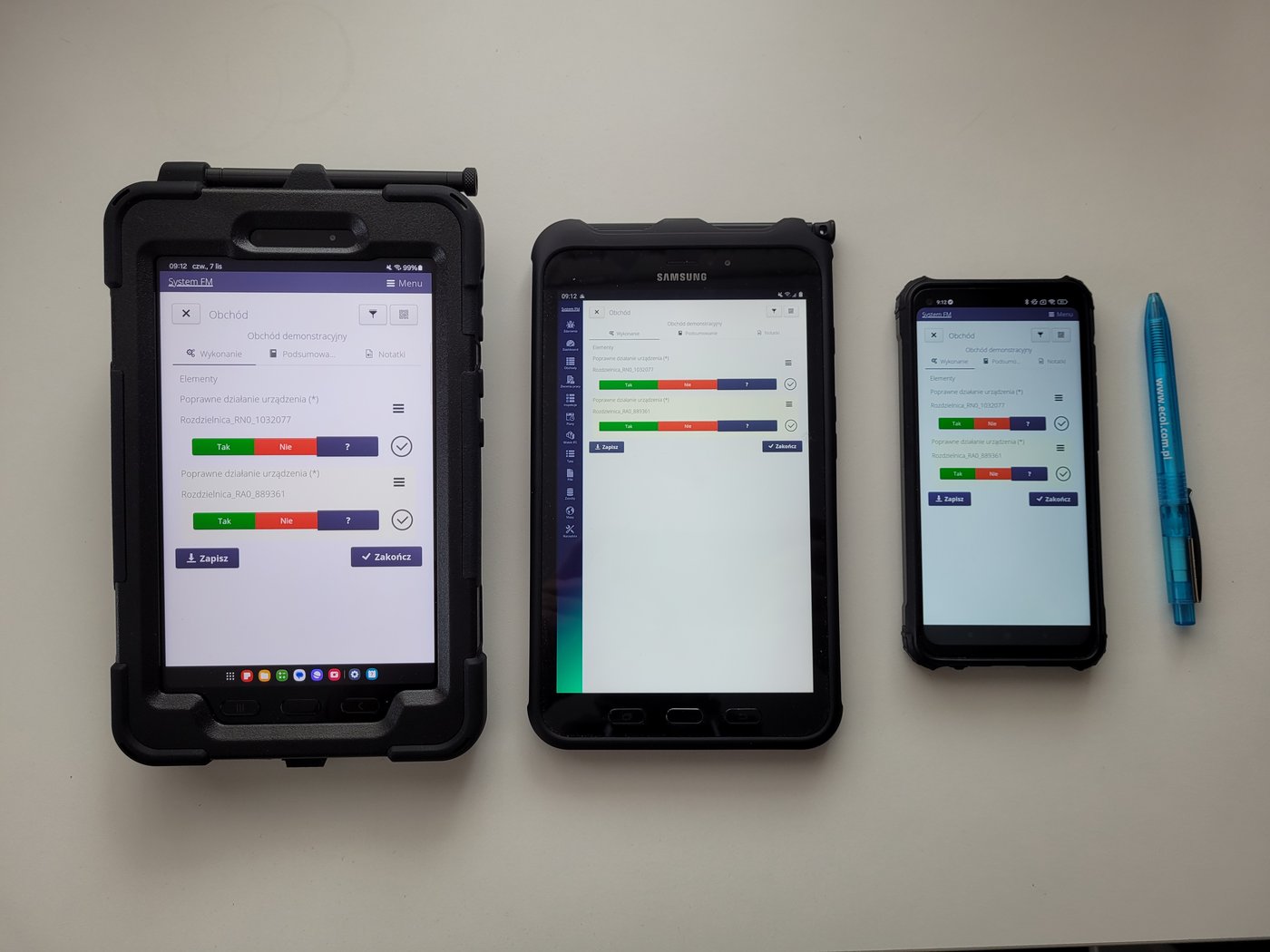
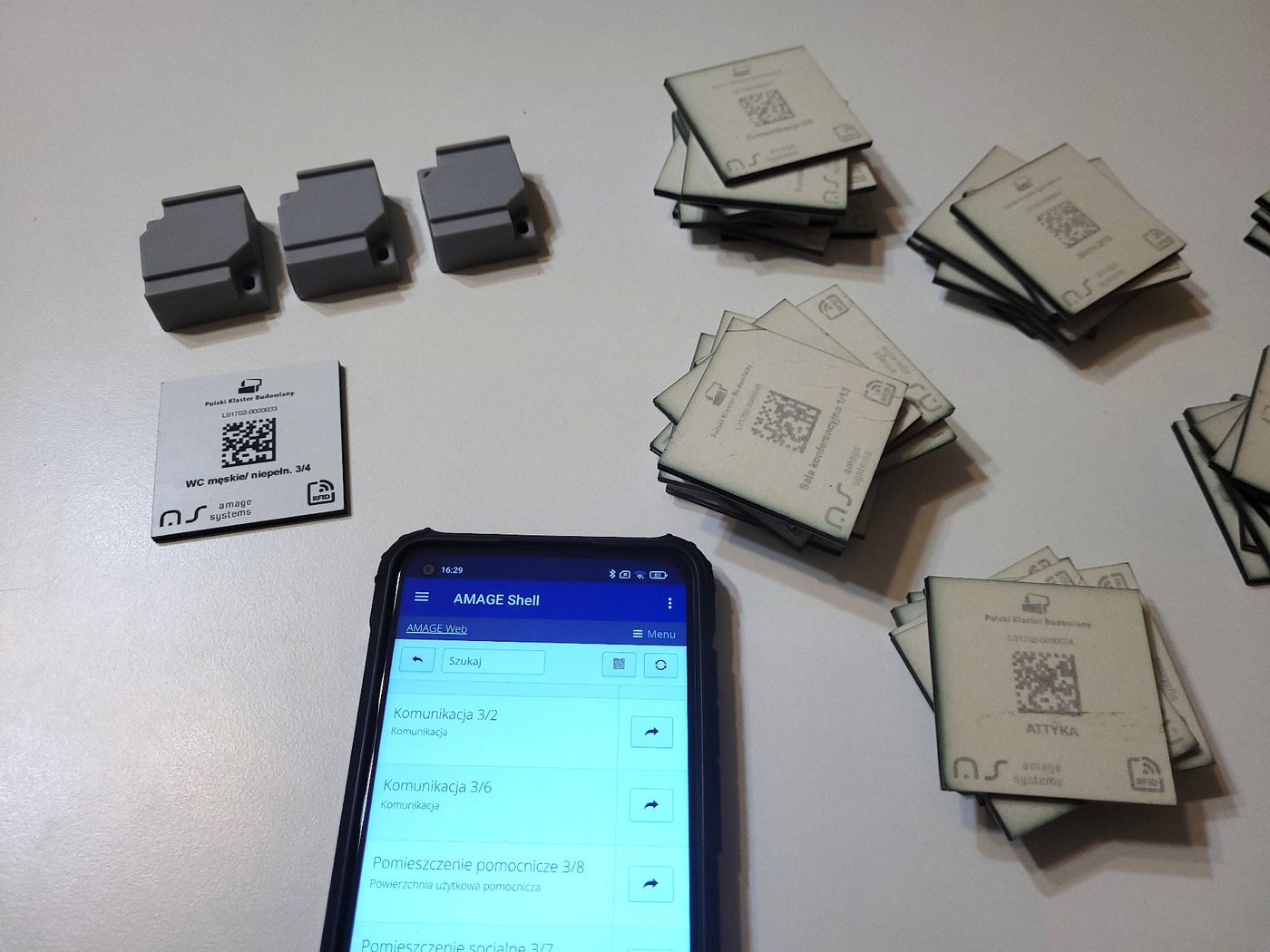
As part of the implementation, industrial tablets and Bluetooth beacons were delivered. The mobile devices with additional industrial guards allow work in harsh environmental conditions. Once mounted within the plant area, the Bluetooth beacons enable automatic recording of an employee’s presence at control points, which eliminates the need for manual confirmation and increases data reliability. The beacons also support workplace safety and task execution monitoring by speeding up the display of information for the round technician who is within range of given beacons.

Results of the implementation
- Increased transparency and control over maintenance processes
- Access to the system from many channels and any location (web browser, mobile devices)
- Improved communication and response to service tickets
- Ability to work mobile and offline
- Full history of activities and data import from previous maintenance systems
- Greater safety thanks to monitoring of employee presence
Word from the user
AMAGE Systems showed commitment during the implementation. It migrated the information from the previous maintenance system and supported us during the implementation and start-up of the system. Employees are satisfied with the ability to work on the system from anywhere. Ongoing supervision of the system by AMAGE employees and taking into account our comments and ideas make our work easier and ensure the continuity of maintenance work.
— Adrian Szymański, Maintenance Manager
Summary
The implementation of the AMAGE system at MZGOK Konin is an example of an effective digital transformation in the area of maintenance and technical infrastructure. Thanks to a comprehensive approach and the flexibility of AMAGE solutions, the client gained a modern tool supporting daily operations that can be developed along with the growing needs of the organisation.
About us – AMAGE Systems
Founded in 2016, AMAGE Systems specialises in delivering practical IT solutions that bring measurable benefits in a short time. Our systems support manufacturing plants, especially those in continuous production, in areas such as breakdown management, access to equipment documentation and advanced solutions for technical rounds and inspections. Thanks to our applications we ensure safety for complex technological installations, comfort in managing their operation and access to key information at any time and place. Our solutions guarantee a real reduction of losses caused by breakdowns and unforeseen downtime, as well as significant savings through efficient resource management.